|

|


TI RIMANGONO APPENA PER LEGGERE "IL LIBRO"
|
|
|
 Nonostante tutto, la vita..
Vedi anche: la parodia
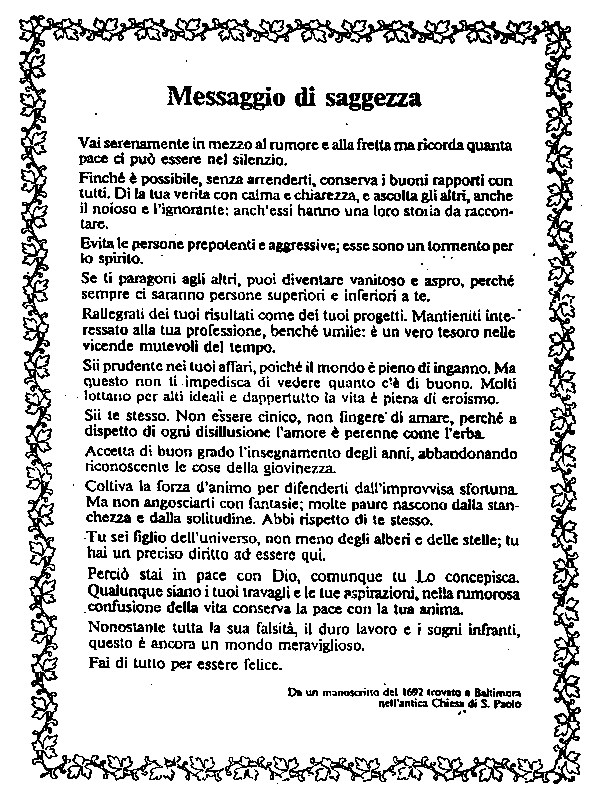
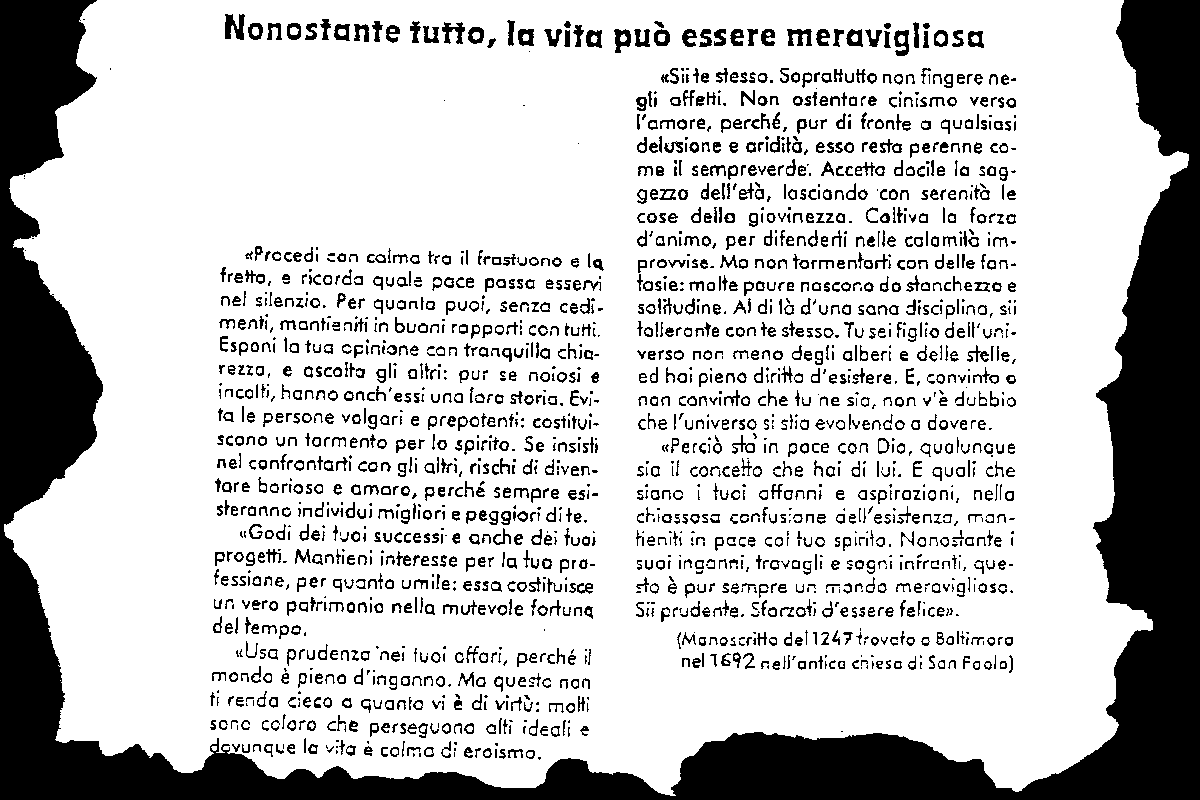
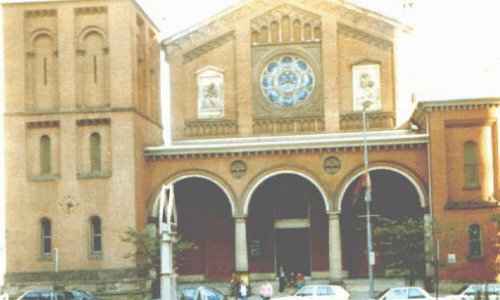
A quanto pare, il "Messaggio di Saggezza" (titolo originale "Desiderata") non solo ha un autore noto (Max Ehrmann, poeta ed avvocato di Terre Haute, Indiana, USA - 1872-1945) ma persino un copyright (vedi sotto) e fu scritto negli anni 1920 (o comunque non prima del 1906) e non, come molti credono, nel 1692 - su un muro dell'Antica Chiesa Episcopale di San Paolo in Baltimora.
In ogni caso studi filologici dimostrano che, quantomeno nella versione che circola oggi, non può essere stato scritto allora ("Parole e sintassi non sono quelle del diciassettesimo secolo") - per non parlare del fatto che in quella data la chiesa di San Paolo ancora non esisteva (Halsey Cook, rettore della Antica Chiesa di San Paolo in Baltimora, spiega che fu sì fondata nel 1692 ma ci volle più di un anno prima che anche solo la struttura portante della chiesa fosse ultimata).
La leggenda nasce nel 1959 (o comunque tra il 1956 e il 1961, periodo in cui Kates fu rettore della chiesa), quando il reverendo Frederick Kates include "Desiderata" in "Between Dawn and Dark" ("Fra il tramonto e l'oscurità"): una raccolta di brani devozionali destinàti alla sua congregazione religiosa. Sebbene non ne sia rimasta neppure una copia, pare che fu stampàta su carta intestata della chiesa - recante la scritta "The Old St Paul's Church, Baltimore, AD 1692" (in realtà, l'anno di fondazione della chiesa) che sta alla base del fraintendimento.
Membri dello staff della Antica Chiesa di San Paolo ricordano che le prime richieste di chiarimenti circa "Desiderata" giunsero dall'Inghilterra, poi dalla Nuova Zelanda e dall'Australia, e infine dagli Stati Uniti - "40 richieste alla settimana negli ultimi 15 anni!", come disse nel 1977 il nuovo Rettore della Chiesa.
Negli anni '60 è stato un testo-culto degli hippies di San Francisco e del movimento "fate la pace non la guerra" (che ne faceva volantinaggio), poi un poster di successo (Gene Roddenberry, creatore di Star Trek, ne teneva una copia nel suo ufficio), una canzone di Les Crane premiata col Grammy Award nel 1971.. Insomma: in tantissimi l'hanno usato come guida per migliorare la propria vita, come testimoniano avvocati, ex-carcerati, ex-tossicodipendenti. E' stata usata in programmi di riabilitazione, diffusa in aule di tribunale, nelle scuole..
Come lo stesso Max Ehrmann scrisse sul suo diario, "Desiderata" fu ispirata dall'intenzione di DONARE al mondo una raccolta di pensieri elevàti ("I should like, if I could, to leave a humble gift - a bit of chaste prose that had caught up some noble moods.") ..la qual cosa peraltro, assieme al titolo (insolitamente in latino), potrebbe far pensare che abbia attinto da fonti pre-esistenti.
In ogni caso, Ehrmann nel 1927 tutelò la sua opera con un copyright (successivamente rinnovato nel 1954 dalla vedova, passato al nipote nel 1962 e da lui ceduto a Robert L. Bell nel 1967) che è stato oggetto di un'accesa disputa (Bell v. Combined Registry Co., 536 F.2d 164 - 7th Cir., 1976) dopo che "Success Unlimited magazine" pubblicò "Desiderata" sul numero dell'Agosto 1971, ritenendolo opera di dominio pubblico.
In effetti, il Copyright Act [17 U.S.C. Section 10] stabilisce che debba comparire un avviso di copyright su qualsiasi materiale che un autore intende proteggere - e se tale avviso non c'è, s'intende che l'autore ne consente la pubblicazione generalizzata.
È vero che Kates aveva pubblicato "Desiderata" senza il consenso dell'autore, ma è altresì vero che nel 1933 lo stesso autore l'aveva inclusa in un messaggio natalizio per i suoi amici senza indicare l'avviso di copyright; e, ciò che più conta, nel 1942 aveva autorizzato lo psichiatra Merrill Moore a distribuirne un migliaio di copie ai suoi pazienti, e a continuare a farlo negli anni a venire (come si evince da una lettera scritta 2 anni dopo). [Bell v. Combined Registry Co., 536 F.2d 164 (7th Cir. 5/14/1976), cert. denied 429 U.S. 1001, 97 S.Ct. 530, 50 L.Ed.2d. 612 (December 6, 1976)]
Pertanto, siccome il permesso di usare il suo lavoro era stato dato gratuitamente e senza l'obbligo di indicare l'avviso di copyright, il 14 Maggio 1976 la Corte ha concluso che Ehrmann aveva rinunciato al suo diritto d'autore e conseguentemente il documento è oggi da ritenersi di dominio pubblico. [Bell v. Combined Registry Co., 397 F. Supp. 1241 (N.D. Ill. 1975)]
Tuttavia Bell ha fatto ricorso in altri Stati - forte del fatto che, nella prima pubblicazione autorizzata da Ehrmann nel 1927 (a cura della Indiana Publishing co.), l'avviso di copyright è indicato chiaramente.
Morale: in alcuni stati "Desiderata" è di pubblico dominio, in altri è copyright di mr. Robert L. Bell.
MAX EHRMANN (1872-1945)
freely summarized from the biography by Susan Dehler (archivist at the Vigo County Public Library, Indiana) and Mike McCormick (Tribune-Star, September 8, 2002)
Max Ehrmann was born in Terre Haute, Indiana, on September 26, 1872.
He was the fifth and last child of Maximilian Ehrmann, Sr. and Margaret Barbara Lutz Ehrmann, both of whom emigrated to the United States in the late 1840s from Bavaria, Germany. Ehrmann's father was a fine cabinet maker, fashioning woodwork for Pullman palace cars for the Terre Haute & Indianapolis Railroad. Ehrmann's oldest brother, Charles, became a coal mine owner, meat packer and, for awhile, president of the State Bank of West Terre Haute. Brothers Emil and Albert founded Ehrmann Manufacturing Co. in 1888 that made, among other things, overalls. Into this industrious, affectionate family stepped Max, idealist, philosopher and "word technician."
Ehrmann received his early education from the German Methodist Church. During college days at DePauw University, Ehrmann resolved not to become rich (everyone's "conventional goal") but to "write beautiful books." He studied law and philosophy at Harvard University, and while there he also published his first work, "A Farrago", in 1898. In early 1900's he began writing, apparently obsessively, many poems, although none became well known until after his death. He then became the credit manager for his brothers' factory, writing poems and essays after each 10-hour working day. At the age of 40, Ehrmann left the family business and returned to writing full-time.
Max Ehrmann died September 9, 1945 - just a few days before his 73rd birthday.
Throughout his career, he wrote more than 20 books and pamphlets and many essays and poems that were published separately in newspapers and magazines. His most acclaimed work was "Desiderata" originally published in 1927 and copyrighted as "Go Placidly Amid The Noise And Haste" (copyright number 962402, dated 3rd January). Ehrmann included "Desiderata" in a Christmas message to his friends in 1933, and significantly never added any copyright notice. Max Ehrmann's widow Bertha K. re-renewed the "Desiderata" copyright in 1948 and 1954. She died in 1962, upon which the copyright ownership passed to her nephew Richmond Wight.
RIFERIMENTI